
Backcountry Camping
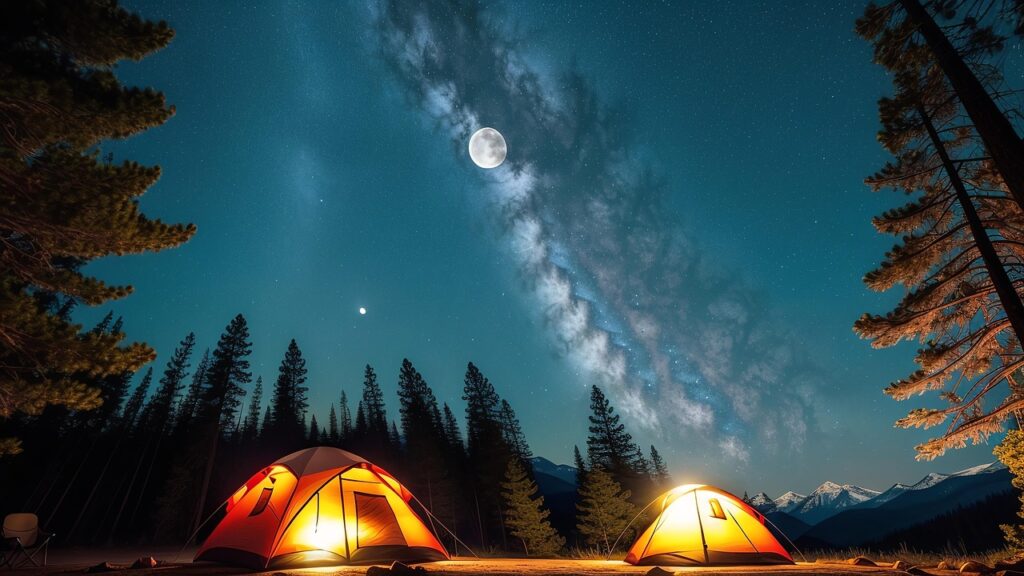
Backcountry Camping: What It Is and How to Do It Right
If you’re looking to escape the crowds, reconnect with nature, and experience the wilderness in its rawest form, backcountry camping might be for you. Unlike campground camping, backcountry camping means leaving behind developed sites, paved roads, and facilities—and venturing into remote, undeveloped areas.
It’s peaceful, challenging, and incredibly rewarding—but it also requires careful preparation and a strong respect for nature.
Here’s what you need to know before heading off the grid.
What Is Backcountry Camping?
Backcountry camping (also known as wilderness camping or dispersed camping) involves:
- Camping outside of designated campgrounds
- Carrying all your gear on foot or in a backpack
- Being fully self-sufficient (no water spigots, bathrooms, or picnic tables)
This style of camping is typically done in:
- National parks (with permits)
- National forests or BLM land
- Remote mountain or wilderness areas
It’s not for the faint of heart—but it offers total solitude, untouched landscapes, and a deep connection with the wild.
How to Plan a Backcountry Trip
- Choose Your Destination Carefully
Not all public lands allow backcountry camping, and rules can vary.
- Research specific areas (e.g., Yosemite backcountry vs. Colorado wilderness areas)
- Check if you need a permit (many parks require one)
- Look for designated zones or distance requirements from trails/water sources
Tip: Start with a one-night trip to test your setup and comfort level.
- Know the Terrain and Conditions
- Study maps, topography, and trail descriptions
- Check for wildlife warnings, fire bans, and weather patterns
- Download offline maps or carry a paper map and compass
What to Pack for Backcountry Camping
Since you’re carrying everything on your back, pack light but smart:
Shelter & Sleep:
- Lightweight backpacking tent
- Sleeping bag (rated for expected temps)
- Sleeping pad
- Compact pillow or stuff sack with clothes
Food & Cooking:
- Backpacking stove + fuel
- Lightweight cookware + utensils
- Dehydrated meals
- Snacks (nuts, bars, jerky)
- Bear canister or hang system for food storage
Water:
- Water filter or purification tablets
- Hydration bladder or water bottles
- Know where water sources are before you go
Clothing:
- Moisture-wicking layers
- Rain gear
- Insulating layer
- Extra socks & underwear
- Sun hat and sunglasses
Essentials:
- First aid kit
- Headlamp + batteries
- Map + compass/GPS
- Knife or multi-tool
- Toiletries (biodegradable)
- Trekking poles (optional but helpful)
Safety & Leave No Trace
Backcountry camping is all about self-reliance and responsibility.
Follow Leave No Trace principles:
- Plan ahead and prepare
- Travel and camp on durable surfaces
- Dispose of waste properly (including human waste)
- Leave what you find
- Minimize campfire impact
- Respect wildlife
- Be considerate of others
Other Safety Tips:
- Let someone know your itinerary
- Don’t rely on cell service—bring a backup GPS or emergency beacon
- Store food away from your tent (bears and rodents are clever!)
- Know basic first aid and wilderness survival skills
Who Should Try Backcountry Camping?
Backcountry camping is great for:
- Hikers looking for solitude
- Outdoor lovers wanting to disconnect from modern life
- Campers ready to level up from traditional sites
It’s not ideal for:
- Total beginners with no backpacking experience
- Those with mobility concerns or medical conditions that require easy access to help
Final Thoughts
Backcountry camping isn’t just an activity—it’s an experience. It pushes you to be resourceful, present, and deeply connected to your environment. If you plan carefully, pack thoughtfully, and respect the land, you’ll discover a side of nature most people never see.
So lace up your boots, load your pack, and head into the wild—you won’t regret it.