
Desert Camping Guide: Tips for Tent Camping, Hammocks, RVs, and Trailers
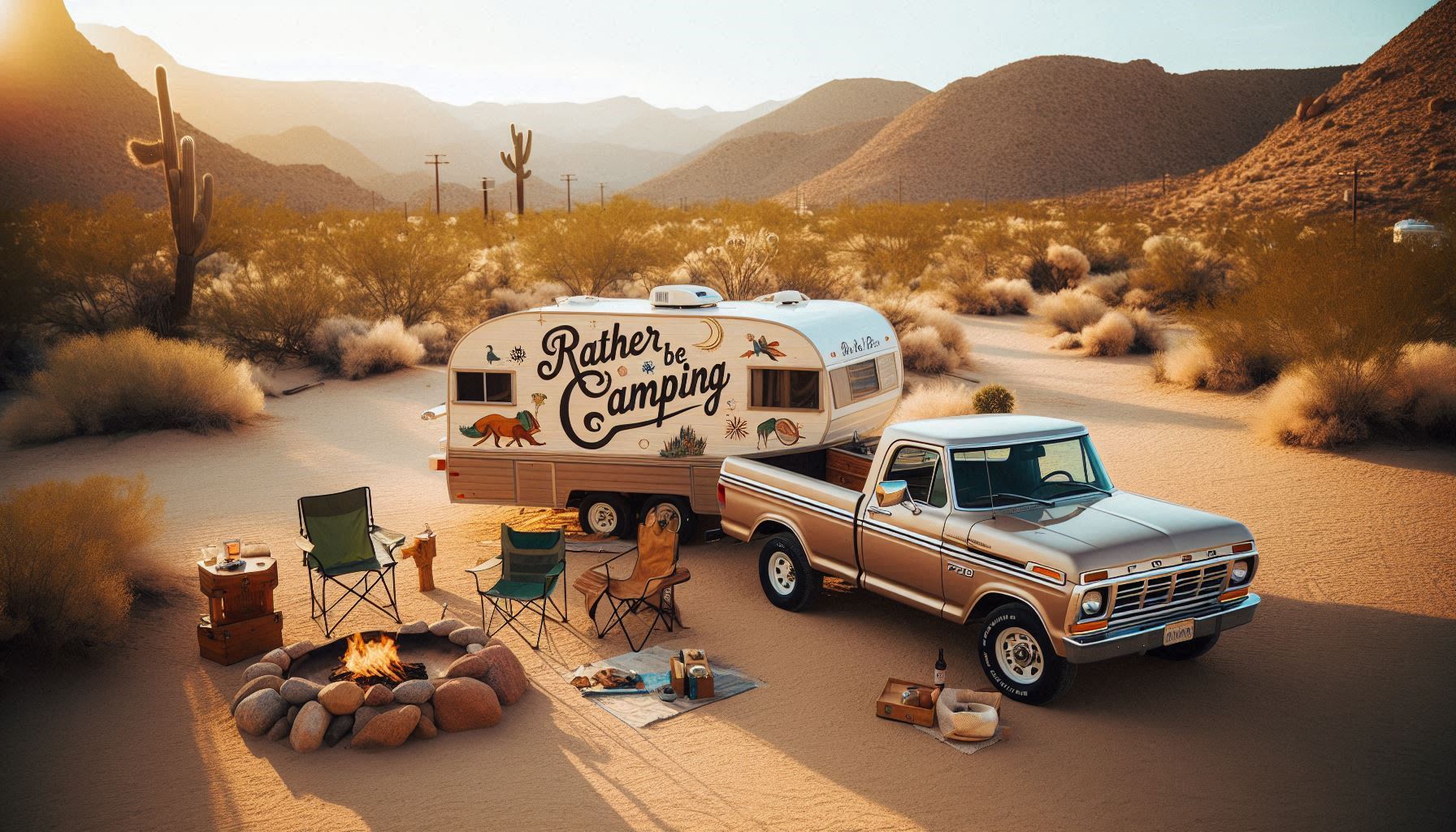
Camping in the desert offers a unique and unforgettable experience. You cam expect to see wide-open landscapes, dramatic sunsets, quiet nights, and some of the best stargazing you’ll ever see. But desert environments also come with challenges that require extra preparation. Extreme temperatures, limited water, and exposure to sun and wind mean that planning ahead is essential.
Whether you’re tent camping, sleeping in a hammock, or traveling with an RV or camping trailer, this guide will help you stay safe, comfortable, and confident while camping in the desert.
General Desert Camping Tips – For Everyone
Before diving into specific camping styles, there are a few universal rules that apply to all desert campers:
- Bring more water than you think you need. A good rule is at least one gallon per person per day—more in hot weather.
- Expect big temperature swings. Days can be extremely hot, while nights may be surprisingly cold.
- Check weather and wind conditions. Sudden storms and strong winds can appear quickly.
- Practice Leave No Trace. Desert ecosystems are fragile and slow to recover.
- Know your location. Cell service may be limited—download maps and let someone know your plans.
Tent Camping in the Desert
Tent camping is one of the most common ways to experience the desert, but it requires thoughtful setup and gear choices.
Key Tips for Tent Campers:
- Choose a tent with excellent ventilation to reduce heat buildup.
- Use a groundsheet or footprint to protect your tent from abrasive sand and sharp rocks.
- Set up your tent on firm, flat ground, avoiding dry washes that may flood during storms.
- Stake your tent securely—desert winds can be strong and sudden.
- Bring a shade structure or tarp to create relief from the sun during the day.
Sleeping Comfort:
- Use a lightweight sleeping bag or breathable bedding for warm nights.
- Pack insulating layers for nighttime temperatures, especially in higher elevations.
Hammock Camping in the Desert
Hammock camping can be peaceful and comfortable, but it’s not always easy in desert environments where trees are scarce.
Things to Consider:
- Research your campground ahead of time to confirm suitable trees or anchor points.
- Bring tree straps to protect bark and follow campground rules.
- Consider a portable hammock stand if trees are unreliable.
- Use a sunshade or tarp to protect against intense sunlight.
- Even warm deserts can get cold at night; use an underquilt or insulation to stay warm.
Hammock camping works best in desert areas with established trees, such as desert oases, canyon areas, or campgrounds near rivers.
RV Camping in the Desert
RVs offer comfort and protection from the elements, but desert heat can still pose challenges.
RV-Specific Tips:
- Ensure your cooling system is working efficiently before your trip.
- Park strategically by using natural shade or orient your RV to minimize sun exposure.
- Monitor water usage carefully; refill stations may be limited.
- Protect tires from extreme heat by using tire covers or moving periodically.
- Keep vents open when safe to do so to improve airflow.
Electrical & Power Considerations:
- Solar panels can be extremely effective in desert conditions.
- Be mindful of battery levels if running fans or air conditioning frequently.
Camping Trailers & Travel Trailers
Camping trailers strike a balance between comfort and mobility, but they still need desert-specific preparation.
Helpful Tips:
- Check tire pressure regularly as heat can cause pressure changes.
- Stabilize your trailer securely to prevent shifting in high winds.
- Carry extra water not only for drinking, but for cleaning and emergencies.
- Use reflective covers or insulation to reduce interior heat.
- Secure all outdoor gear as loose items can easily blow away.
Trailers are especially well-suited for desert camping when staying at established campgrounds with level pads and clear access routes.
Food, Wildlife, and Safety
- Store food securely to avoid attracting animals, even in seemingly barren areas.
- Cook during cooler parts of the day when possible.
- Wear sun-protective clothing, including hats and long sleeves.
- Watch where you step as desert wildlife often blends into the environment.
- Carry a basic first-aid kit and know how to treat heat-related illness.
Final Thoughts
Desert camping can be an incredibly rewarding experience when done right. With thoughtful preparation and the right gear, campers of all styles can enjoy the beauty, solitude, and adventure the desert has to offer. Whether you’re sleeping under canvas, swaying in a hammock, or relaxing in an RV, respecting the environment and planning ahead will help ensure a safe and memorable trip.
The desert may be harsh, but it’s also breathtaking. Camp smart, stay hydrated, and enjoy the journey!